Why Soil Preparation Matters in Shared Gardens
In a privately owned garden, the same person who neglects the soil in autumn deals with the consequences in spring. In a community garden, the plot that receives no fall care may be reassigned to a different grower the following year. That grower inherits compacted, depleted, or weed-seeded soil. A consistent, scheduled approach to soil preparation — adopted across all plots in a shared site — keeps standards even and reduces the burden on any individual grower.
Canada's climate creates specific soil challenges. Extended freeze-thaw cycles through winter disrupt soil structure. Spring melt delivers large amounts of water in a short period, which can compact unprotected beds. Summer heat and wind in Prairie regions dry out organic matter quickly. Knowing which zone a garden sits in shapes the timing and methods of each preparation task.
Understanding Canadian Plant Hardiness Zones
Agriculture and Agri-Food Canada publishes a plant hardiness zone map that divides the country into zones 0 through 9. Most community gardens in populated areas fall within Zones 3 to 7. The zone determines average minimum winter temperatures and informs frost date estimates, which in turn drive the soil preparation schedule.
| Region | Approximate Zone | Last Spring Frost | First Fall Frost |
|---|---|---|---|
| Vancouver, BC | 7–8 | Mid-March | Early November |
| Toronto, ON | 5–6 | Late April | Mid-October |
| Montreal, QC | 5 | Early May | Early October |
| Calgary, AB | 3–4 | Mid-May | Late September |
| Winnipeg, MB | 3 | Late May | Late September |
These dates are historical averages. Actual frost dates vary year to year; Environment and Climate Change Canada's climate normals tool allows lookups by nearest weather station, which provides a more locally accurate figure than regional averages.
Fall Tasks: After the Last Harvest
Fall soil work is done between the final harvest and the first hard frost — a window that may be as short as two weeks in Zone 3. The sequence matters: organic matter needs time to begin breaking down before the ground freezes.
Clearing the Bed
Remove all annual crop residue. Tomato vines, squash leaves, and bean stems carry fungal spores and pest eggs that overwinter in plant matter left on the soil surface. Healthy green material can go to the compost pile; diseased or pest-affected material should be disposed of in yard waste bins rather than composted on site.
Leave root vegetables in the ground only if the plan is to harvest them in late fall or overwinter them (carrots and parsnips in particular sweeten after frost). Otherwise, remove them fully, including small fragments that rot and attract pests.
Soil Testing
Fall is the recommended time for a soil test if the results will be used to plan winter amendments. Most provincial agricultural labs and many garden centres offer soil testing kits that measure pH, nitrogen, phosphorus, and potassium levels. A pH test alone — available at most garden centres for a few dollars — is enough to determine whether lime application is needed.
For community gardens, a site-wide soil test from several representative beds gives a clearer picture than testing individual plots, since amendment decisions often apply across the whole garden.
Adding Compost
A 5–10 centimetre layer of finished compost applied to the surface of cleared beds is the single most consistent improvement available in a community garden context. It does not require tilling; the winter freeze-thaw cycle and soil organisms incorporate it naturally. Compost sources for community gardens include on-site compost bins, municipal compost programs, or bagged compost from garden suppliers.
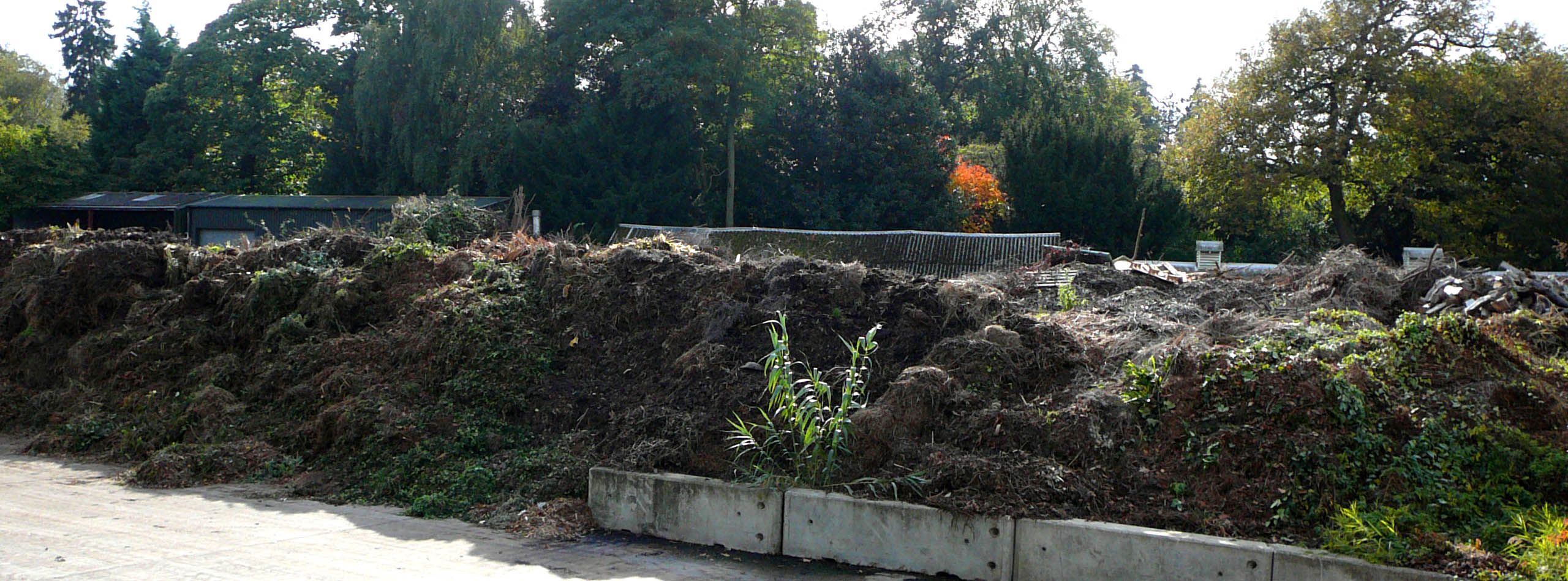
Many Canadian community gardens operate shared compost bins. Keeping the carbon-to-nitrogen ratio roughly balanced — alternating "greens" (vegetable scraps, fresh clippings) with "browns" (dry leaves, cardboard) — produces usable compost within one to two seasons. Finished compost should be dark, crumbly, and smell like earth, not ammonia or rot.
Cover Cropping (Optional)
In zones with a longer fall window (Zones 5–7), sowing a winter cover crop after clearing the bed protects soil from erosion and adds organic matter when turned under in spring. Winter rye and hairy vetch are the most widely used in Canadian community garden contexts. They germinate quickly in cool soil and die back over winter, leaving a mulch layer that protects the bed surface through freeze-thaw cycles.
Winter: Protecting Raised Beds
Unprotected raised beds — particularly those with wood frames — are susceptible to frost heave, which can split frames and displace soil. A layer of straw mulch (10–15 cm) placed over the bed surface after the first hard frost insulates the soil, slows freeze depth, and reduces the extent of spring erosion. The straw is removed or incorporated in early spring.
For community gardens in Zones 3–4, where temperatures can drop to -35°C, a plastic or fabric row cover secured over the frame provides additional wind and moisture protection. These are typically collective purchases rather than individual plot items, and their use should be noted in the shared agreement.
Spring Tasks: Before Planting
Spring soil work begins when the ground has thawed to a consistent depth — typically 15–20 cm below the surface — and the soil passes the squeeze test: a handful squeezed in the fist should crumble apart rather than stay in a compact ball. Working wet soil compacts it significantly.
Removing Mulch and Winter Cover
Remove straw mulch in stages rather than all at once. The soil underneath is still cold; a gradual uncovering allows it to warm slowly without the thermal shock that causes rapid evaporation of moisture. Start at the south-facing edges of the bed, which warm first.
pH Adjustment
If a fall soil test indicated low pH (below 6.0), lime applied in fall should have had time to work. If not yet applied, agricultural lime can be incorporated in spring, though it acts more slowly. Most vegetables prefer a pH of 6.0–7.0. Wood ash, also alkaline, is sometimes available through community composting programs and can serve as a pH amendment in small quantities.
Acidic amendments — sulfur, peat moss — lower pH where blueberries or acid-loving ornamentals are planned, but are rarely relevant to the standard vegetable plots in a Canadian community garden.
Incorporating Spring Compost
A second compost application in spring — lighter than the fall layer, around 3–5 cm — adds a fresh nutrient boost ahead of planting. Gently fork it into the top 10 cm of soil rather than deep tillage, which disrupts beneficial fungal networks that have developed over winter.
Shared Soil Maintenance Across the Season
Beyond the seasonal preparation schedule, certain maintenance tasks apply throughout the growing period:
- Mulching between rows: straw or wood chip mulch applied in June reduces moisture loss through July and August, particularly relevant in Prairie and Ontario gardens during dry summers.
- Avoiding compaction: define walking paths and enforce them; even one person consistently stepping in the same spot between rows compacts soil visibly over a season.
- Top-dressing heavy feeders: crops like corn, tomatoes, and brassicas benefit from a small amount of compost added midseason around the base, replacing nutrients drawn down through the first half of the growing period.